


-

Add: HeBei ShengShi HongBang Cellulose Technology CO.,LTD.
-

Email
13180486930@163.com -

CONTACT US
+86 13180486930
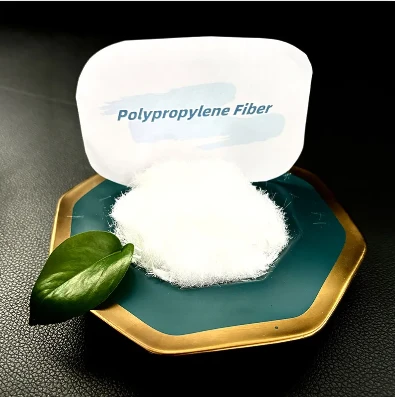




The Cost of Polypropylene Fiber An Overview Polypropylene fiber, derived from the polymerization of propylene monomers, is a synthetic material that has been gaining traction in various industries due to its unique properties and cost-effectiveness. As the demand for durable and versatile materials rises, so does interest in understanding the cost implications associated with polypropylene fiber. This article aims to explore the factors affecting the cost of polypropylene fiber, its applications, and its overall economic impact. Understanding Polypropylene Fiber Polypropylene is one of the most widely used plastics in the world. It is recognized for its lightweight nature, chemical resistance, moisture-wicking capabilities, and structural durability. These characteristics make it an excellent choice for a variety of applications, including textiles, automotive components, and packaging materials. The resulting fiber is soft, resistant to staining, and can be produced in a variety of colors, further enhancing its usability in consumer products. Factors Influencing the Cost 1. Raw Material Prices The primary factor determining the cost of polypropylene fiber is the price of propylene, the primary raw material used in its production. Fluctuations in oil prices significantly impact the cost of propylene, as it is derived from fossil fuels. As global oil prices rise or fall, so too does the cost of polypropylene fiber. 2. Production Technology The method of production also affects costs. Advances in manufacturing technologies can streamline production processes and reduce costs. For instance, the implementation of more efficient machinery or environmentally friendly production methods can yield lower operational costs, which may be passed on to consumers. 3. Supply and Demand Like any commodity, the cost of polypropylene fiber is subject to the laws of supply and demand. In periods of high demand—such as during the surge in production of protective equipment during the COVID-19 pandemic—prices may increase sharply. Conversely, surplus production or a decline in demand can lead to lower prices. costo de fibra de polipropileno 4. Geopolitical Factors Political stability in oil-producing regions can affect the supply and price of propylene. Trade tariffs, sanctions, or conflicts can disrupt supply chains, leading to increased material costs, which in turn influence the cost of polypropylene fiber. 5. Market Competition The competitiveness of the polypropylene market also plays a vital role. The entry of new suppliers can drive prices down, while monopolistic conditions can lead to higher prices. The global nature of the fiber market means that competition from manufacturers in different regions can also affect local pricing. Applications of Polypropylene Fiber The versatility of polypropylene fiber allows for its use in numerous applications. In the textile industry, it is common in the production of carpets, upholstery, and outdoor fabrics due to its resistance to moisture and mildew. The automotive sector utilizes polypropylene fiber for interior components, as it is lightweight and aids in fuel efficiency. Furthermore, polypropylene fibers are utilized in geotextiles for soil stabilization, erosion control, and drainage systems. Economic Impact The economic implications of polypropylene fiber production extend beyond its cost. It supports a range of industries, creating jobs and stimulating economic growth. As manufacturers adapt to changing market dynamics and consumer preferences, innovative uses for polypropylene fiber continue to emerge, driving further demand. In conclusion, the cost of polypropylene fiber is influenced by a variety of factors including raw material prices, production technology, supply and demand dynamics, geopolitical conditions, and market competition. Its diverse applications and economic implications make it a significant player in the manufacturing landscape. As industries continue to seek sustainable and efficient materials, understanding these cost dynamics will be crucial for businesses and consumers alike in making informed decisions. The future of polypropylene fiber is undoubtedly tied to evolving market conditions and technological advancements, promising ongoing relevance in a rapidly changing world.
- 40000tons

Production
- 20+years

Experience
- 5000+㎡

Acreage

-
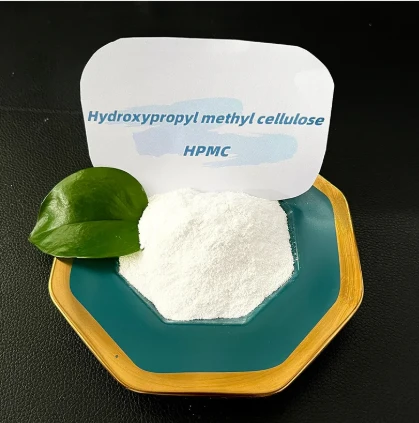
Polypropylene fiber is a versatile, high-performance material that offers a wide range of benefits for various applications. Whether you’re working in construction, textiles, or even automotive industries, polypropylene fiber provides exceptional strength, durability, and resistance to moisture and chemicals. As a lightweight and cost-effective solution, polypropylene fiber is a valuable addition to your product lineup. By incorporating polypropylene fiber into your materials, you can enhance performance while ensuring long-lasting results. Discover why polypropylene fiber is the ideal choice for your next project. Explore Polypropylene Fiber for Sale at Competitive Prices Looking for high-quality polypropylene fiber for sale ? Our premium polypropylene fiber for sale offers a range of grades and specifications to suit your needs. Whether you’re purchasing in bulk for large-scale projects or in smaller quantities for specialized applications, we provide flexible options to meet your budget. Our polypropylene fiber for sale is made with top-quality materials, ensuring consistent performance and durability. With fast shipping and excellent customer service, purchasing polypropylene fiber for sale has never been easier. Get in touch with us today to learn more about our products and competitive pricing. The Benefits of Using Polypropylene Fiber in Concrete Polypropylene fiber used in concrete offers unmatched advantages, particularly in enhancing the strength and durability of your construction projects. When added to concrete, polypropylene fiber helps improve the material’s resistance to cracking, shrinkage, and surface wear. It also enhances the flexibility and workability of the concrete, making it easier to apply in various conditions. Polypropylene fiber used in concrete is especially effective in applications like flooring, pavements, and precast concrete products. By incorporating polypropylene fiber into your concrete mix, you can achieve stronger, more durable structures that stand the test of time. Discover the Versatility of Synthetic Polypropylene Fiber Synthetic polypropylene fiber is a high-performance material designed for a wide array of applications. Known for its superior strength and lightweight properties, synthetic polypropylene fiber is commonly used in concrete reinforcement, textiles, automotive components, and much more. Unlike natural fibers, synthetic polypropylene fiber is resistant to rot, mildew, and UV degradation, making it an ideal choice for both indoor and outdoor applications. Whether you’re enhancing the durability of construction materials or improving the quality of fabrics, synthetic polypropylene fiber offers unparalleled performance and versatility. Experience the difference that synthetic polypropylene fiber can make in your products. Why Choose Us for Your Polypropylene Fiber Needs? When it comes to sourcing polypropylene fiber , you need a reliable supplier that provides top-quality materials at competitive prices. As a trusted provider of polypropylene fiber for sale , we offer a range of products that are perfect for various industries, from construction to textiles. Our polypropylene fiber used in concrete is designed to enhance the durability and performance of your projects, while our synthetic polypropylene fiber is ideal for diverse applications requiring strength and resilience. With excellent customer service, flexible ordering options, and fast delivery, we are your one-stop-shop for all your polypropylene fiber needs.
-
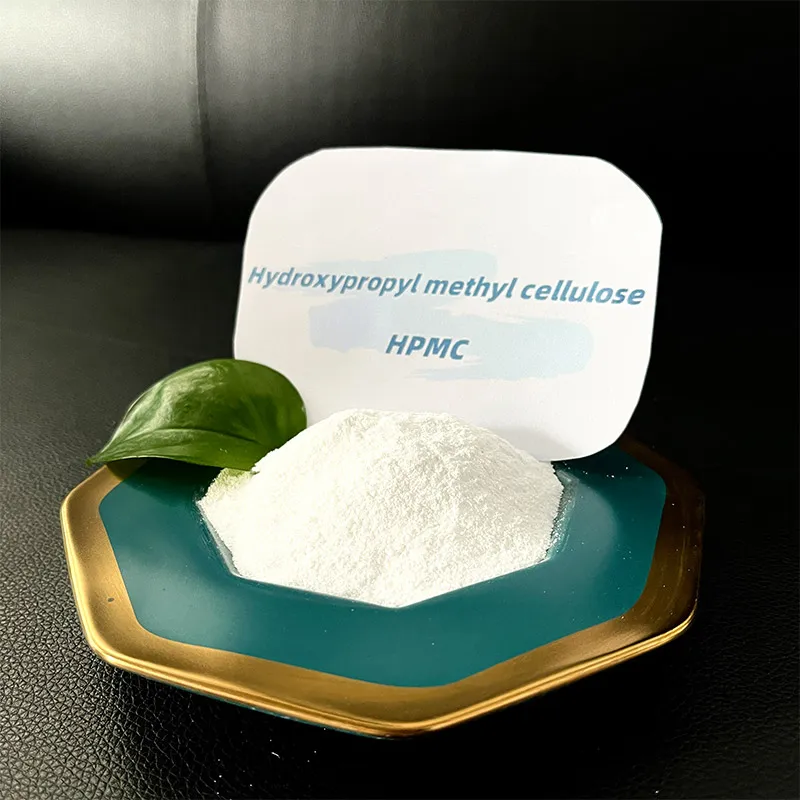
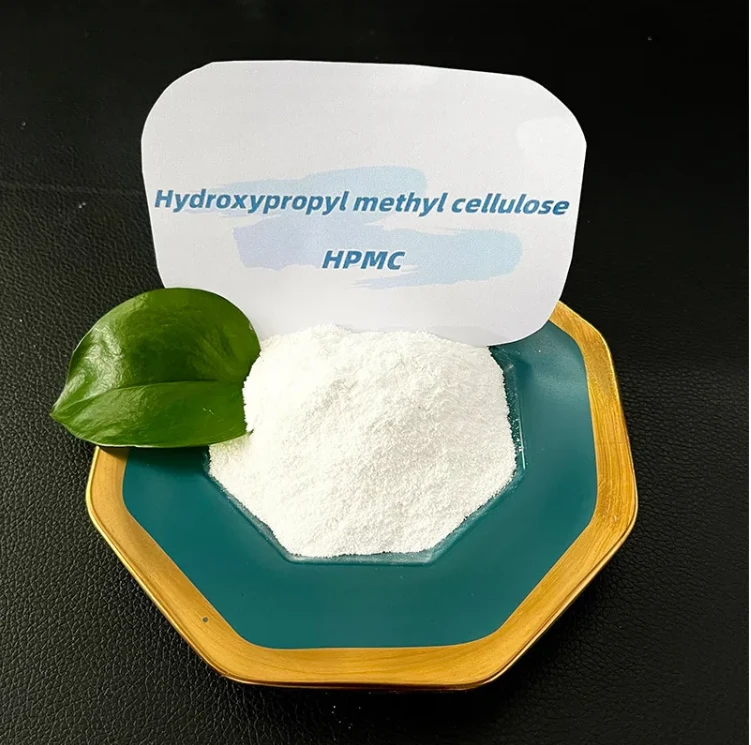
In the rapidly evolving world of construction and pharmaceuticals, the rising star of sustainable materials is Hydroxypropyl Methylcellulose (HPMC) cellulose. This remarkable polymer, derived from plant resources, is transforming the efficiency and sustainability of various sectors. As industries strive for eco-friendly alternatives, HPMC cellulose stands out, combining natural origin with technological sophistication. Hydroxypropyl Methylcellulose, often referred to as HPMC, originates from cellulose, the most abundant polymer on Earth. This crucial building block of plant cell walls offers unique properties when modified chemically. Through a sophisticated process, cellulose is treated to create HPMC, a water-soluble substance that maintains stability across a range of temperatures and pH levels. This adaptability makes it indispensable in multiple applications, asserting its authority in the search for innovative industrial solutions. In construction, HPMC cellulose is revolutionizing processes by enhancing the performance of cement-based products. Its inclusion in construction mixes improves workability, water retention, and adhesion—crucial factors in ensuring the longevity and integrity of structures. Builders and contractors have reported reduced cracks and increased strength in finished products, demonstrating its expertise in addressing common structural challenges. This real-world experience underscores HPMC cellulose's superiority over traditional additives, contributing to more sustainable and durable buildings. The pharmaceutical sector, too, benefits from the versatility of HPMC cellulose. Its use in drug formulation is a testament to its credibility and trustworthiness. As an excipient, it facilitates the controlled release of active ingredients, ensuring that medications deliver effects precisely and reliably. Patients and medical professionals have noted the improved efficacy of treatments containing HPMC, reinforcing its standing as a staple in modern medicine. Moreover, its role in enhancing the solubility and bioavailability of drugs further substantiates its importance, providing evidence of its critical function in healthcare advancements. celulosa hpmc Personal care and cosmetic industries are not left behind in this cellulose renaissance. HPMC is used as a thickening and stabilizing agent in creams, lotions , and shampoos. Its non-toxic and hypoallergenic properties make it ideal for products designed for sensitive skin. Consumers have shared positive feedback regarding the texture and effectiveness of personal care items containing HPMC, corroborating its reputation for safety and performance. As an authority in product formulation, HPMC cellulose aligns perfectly with the growing demand for natural and environmentally friendly beauty solutions. While the practical applications of HPMC cellulose are diverse, ongoing research continues to unlock new potentials and refine its use across industries. Experts are exploring further modifications and combinations with other sustainable materials to enhance its properties and extend its applicability. The relentless pursuit of innovation ensures that HPMC cellulose remains at the forefront of eco-friendly technological advancement, reinforcing its position as a critical material for the future. As the world increasingly turns towards sustainability, HPMC cellulose offers a trustworthy path forward. Its widespread application and proven benefits in construction, pharmaceuticals, and personal care underline its essential role in developing products that are not only effective but also environmentally conscious. For professionals and consumers alike, embracing HPMC cellulose means investing in a sustainable future supported by real-world evidence and expert endorsement. In conclusion, Hydroxypropyl Methylcellulose (HPMC) cellulose exemplifies the perfect fusion of natural origin and scientific ingenuity. Its consistent performance across varied applications speaks volumes about its versatility and reliability. For industries aiming to enhance product performance while reducing environmental impact, HPMC stands as a beacon of sustainable progress, embodying the qualities of experience, expertise, authoritativeness, and trustworthiness that are crucial in today's market.
advantages
-

200000 Viscosities
Excellent product
We can produce pure products up to 200,000 viscosities
-

40000 tons
High yield
We don’t stop production all year round, and the annual output can reach 40,000 tons
-

24 hours
Quality service
We provide 24-hours online reception service, welcome to consult at any time
———— Inquiry Form
Schedule A services


-
 mhec_powder
Oct . 25, 2025
The pharmaceutical industry increasingly relies on advanced polymer solutions for efficient drug for -
 thermoplastic_resin_powder
Oct . 25, 2025
The Emergence and Significance of Manufactured Fiber in the Textile Industry Manufactured fibers, co -
 synthetic_staple_fiber
Oct . 25, 2025
Retaining optimal eye health in today’s digitally-driven world poses a significant challenge, with i


